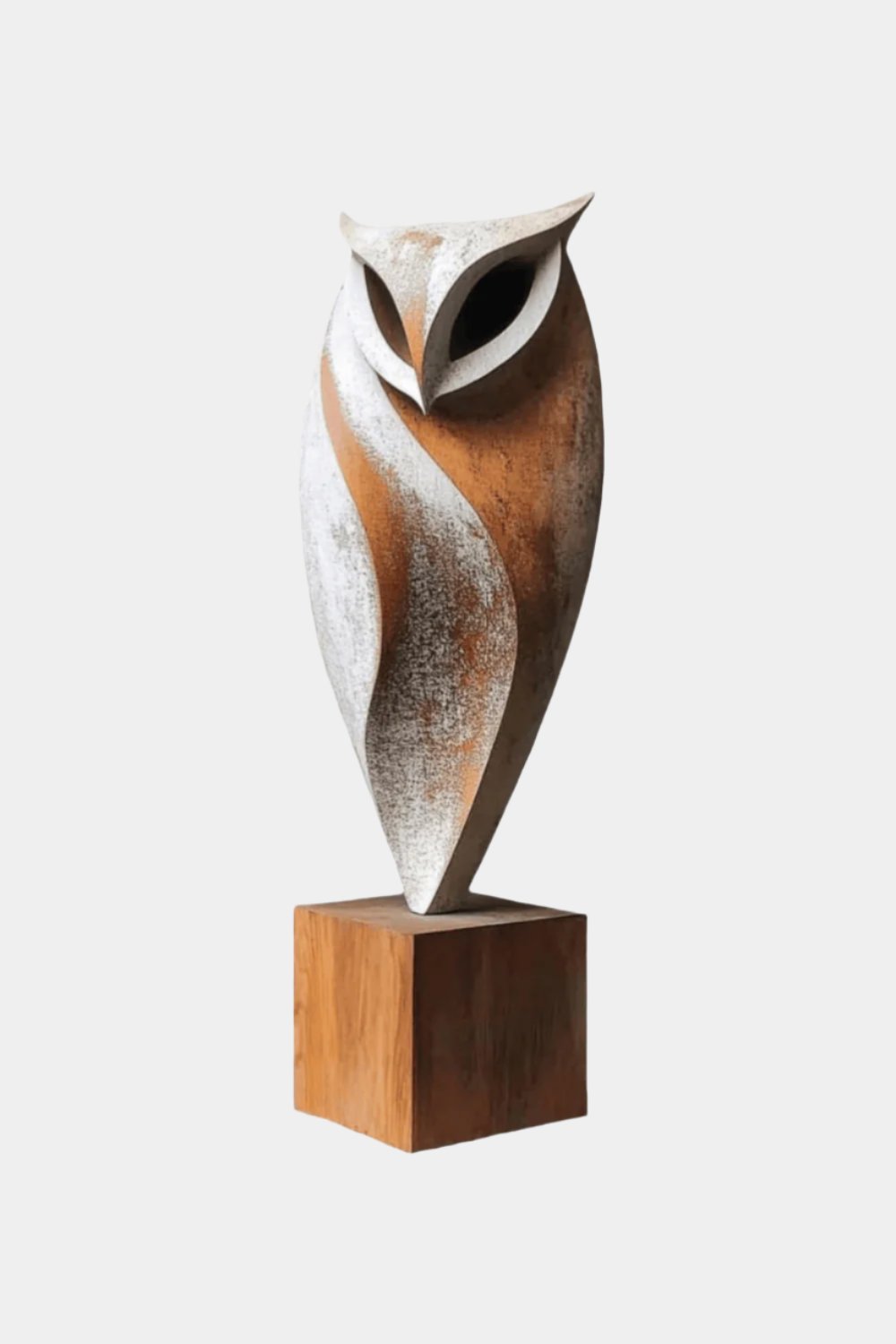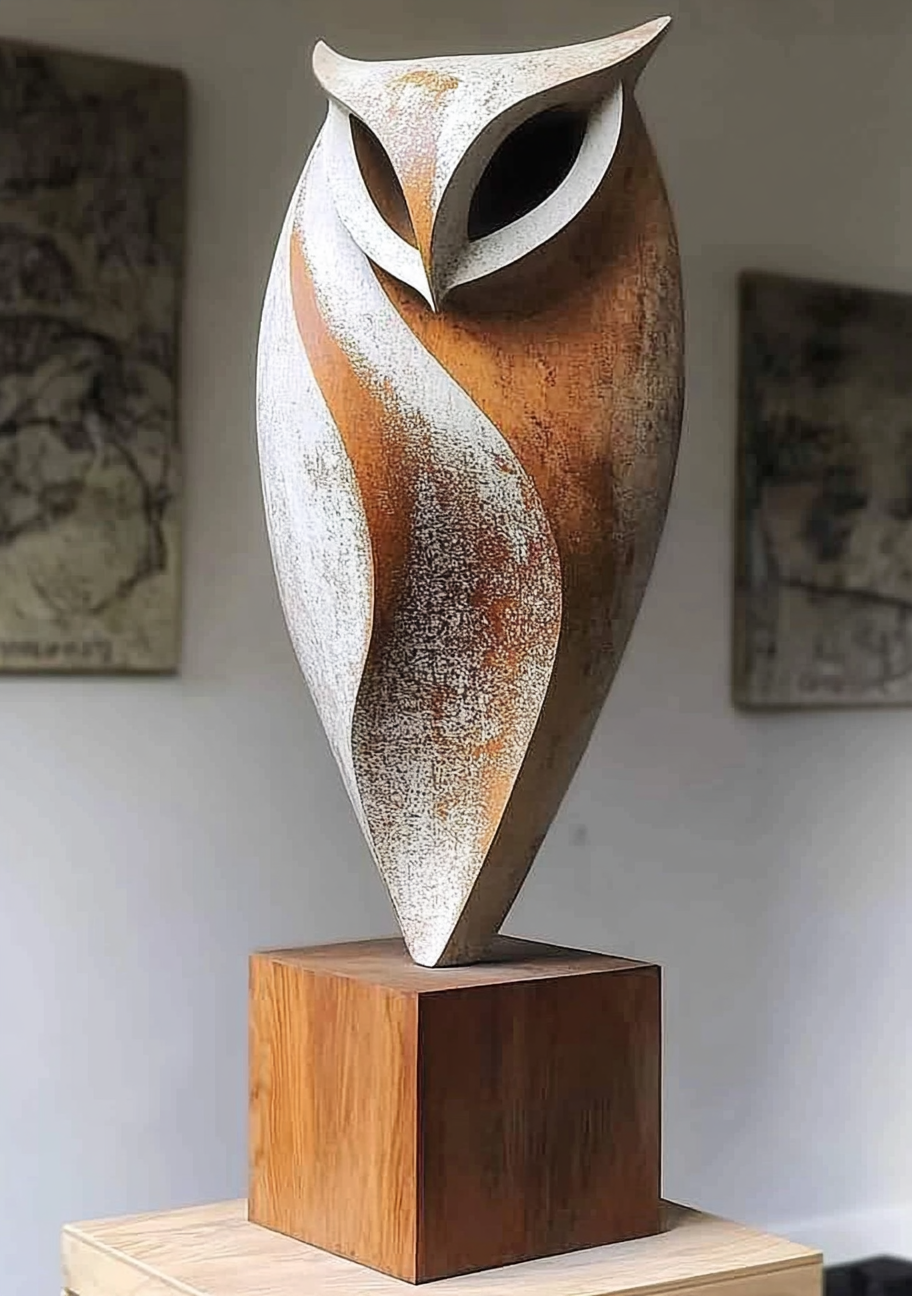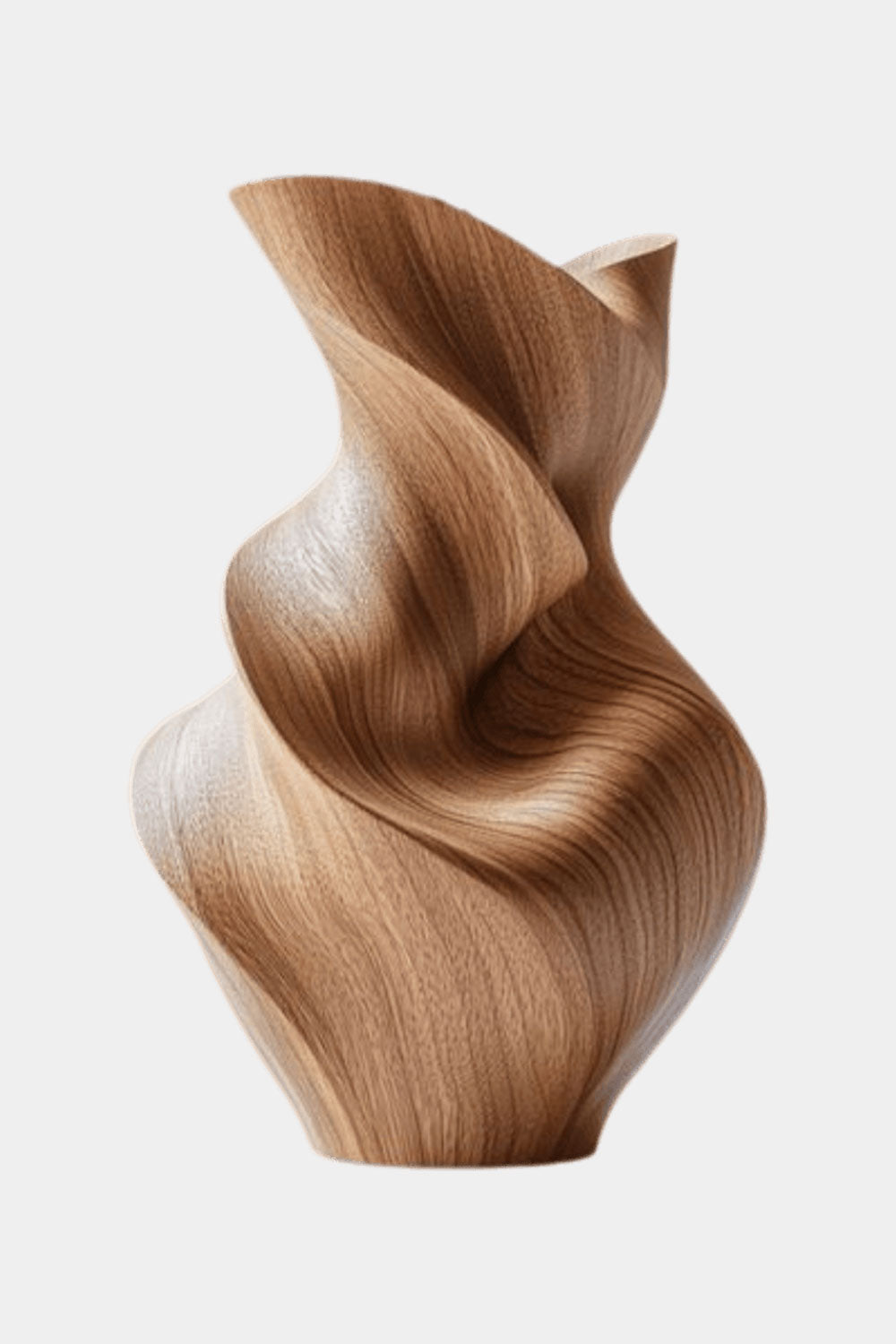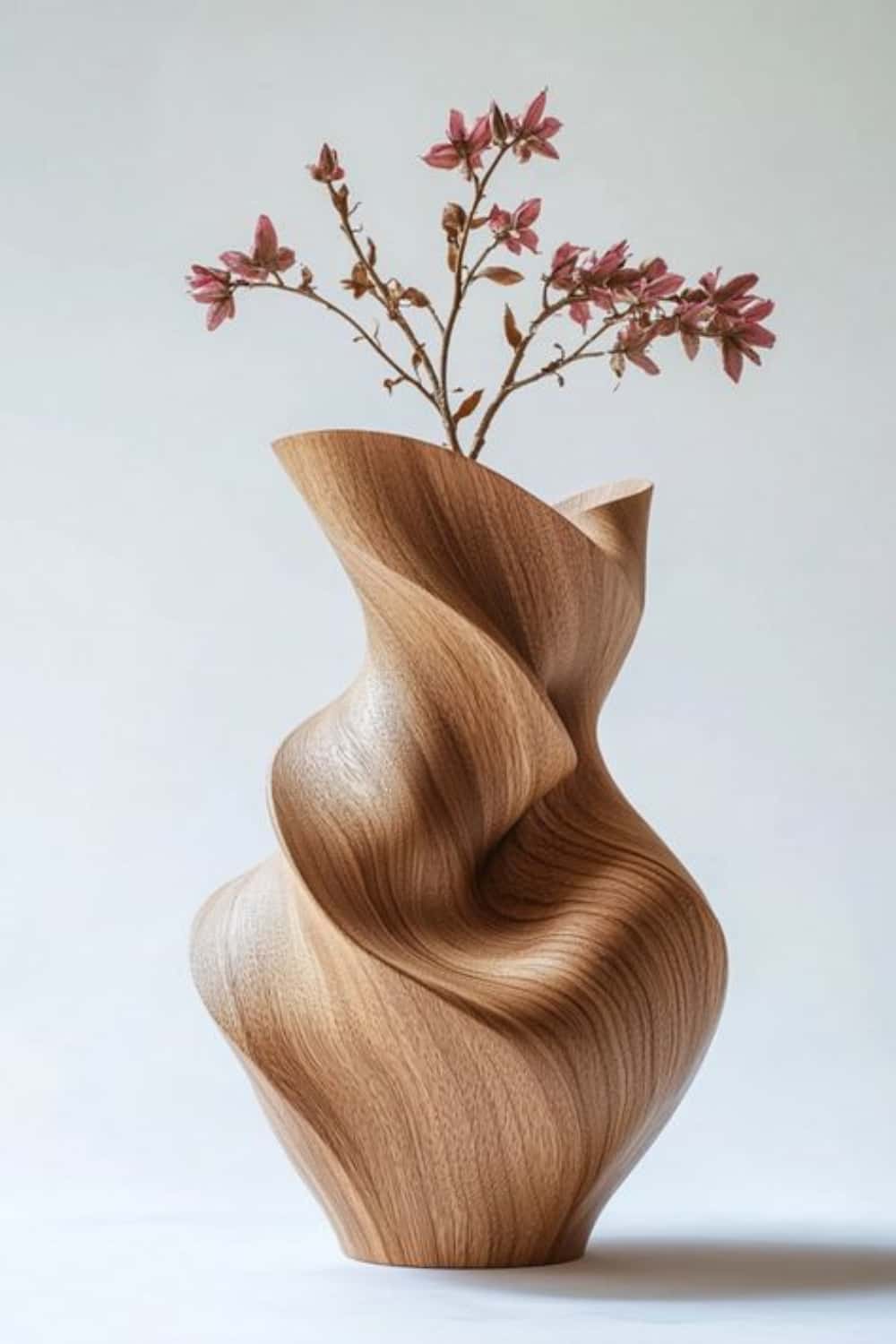
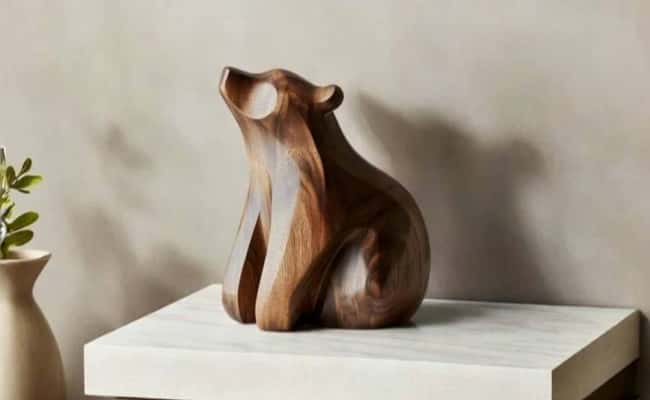
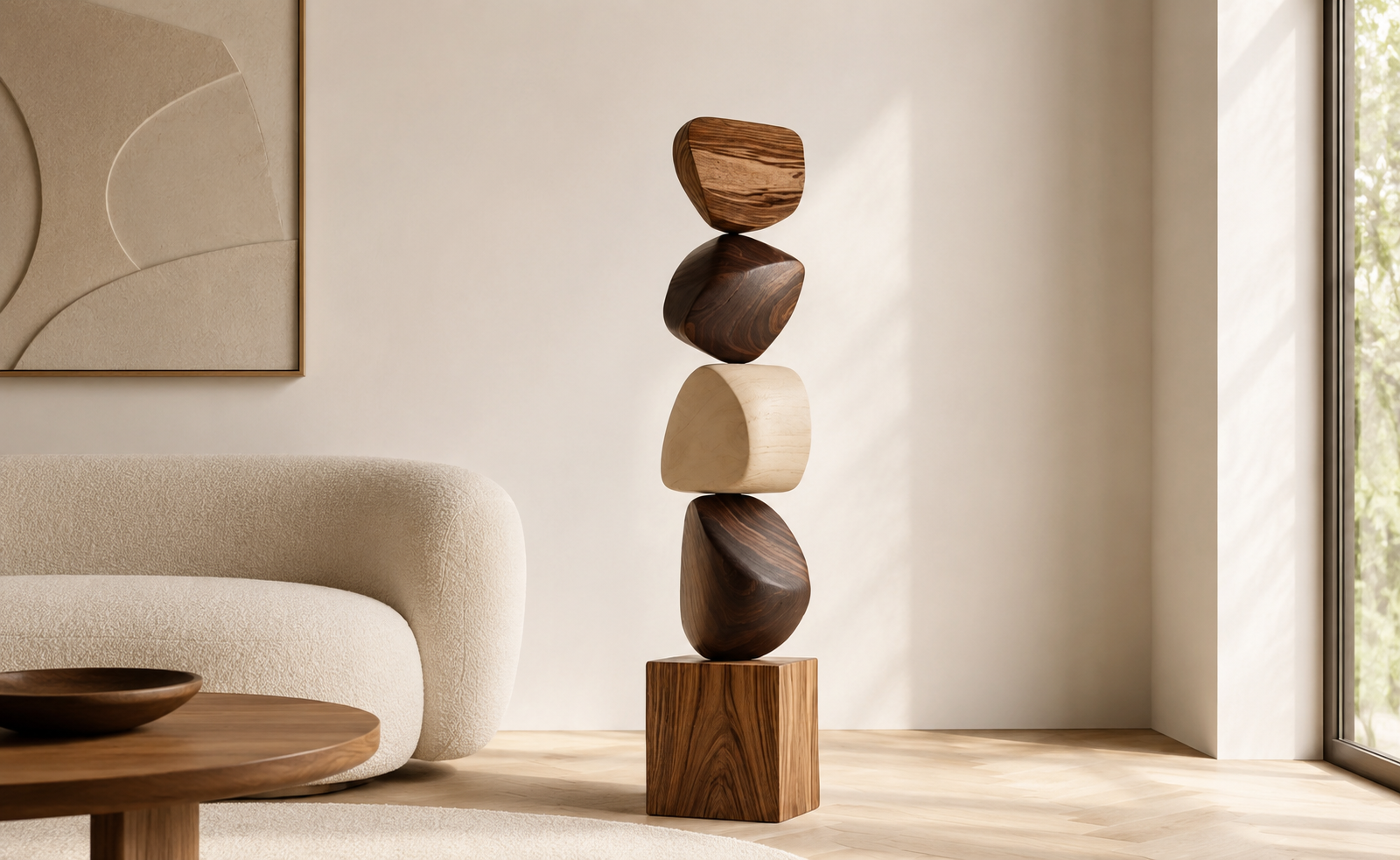
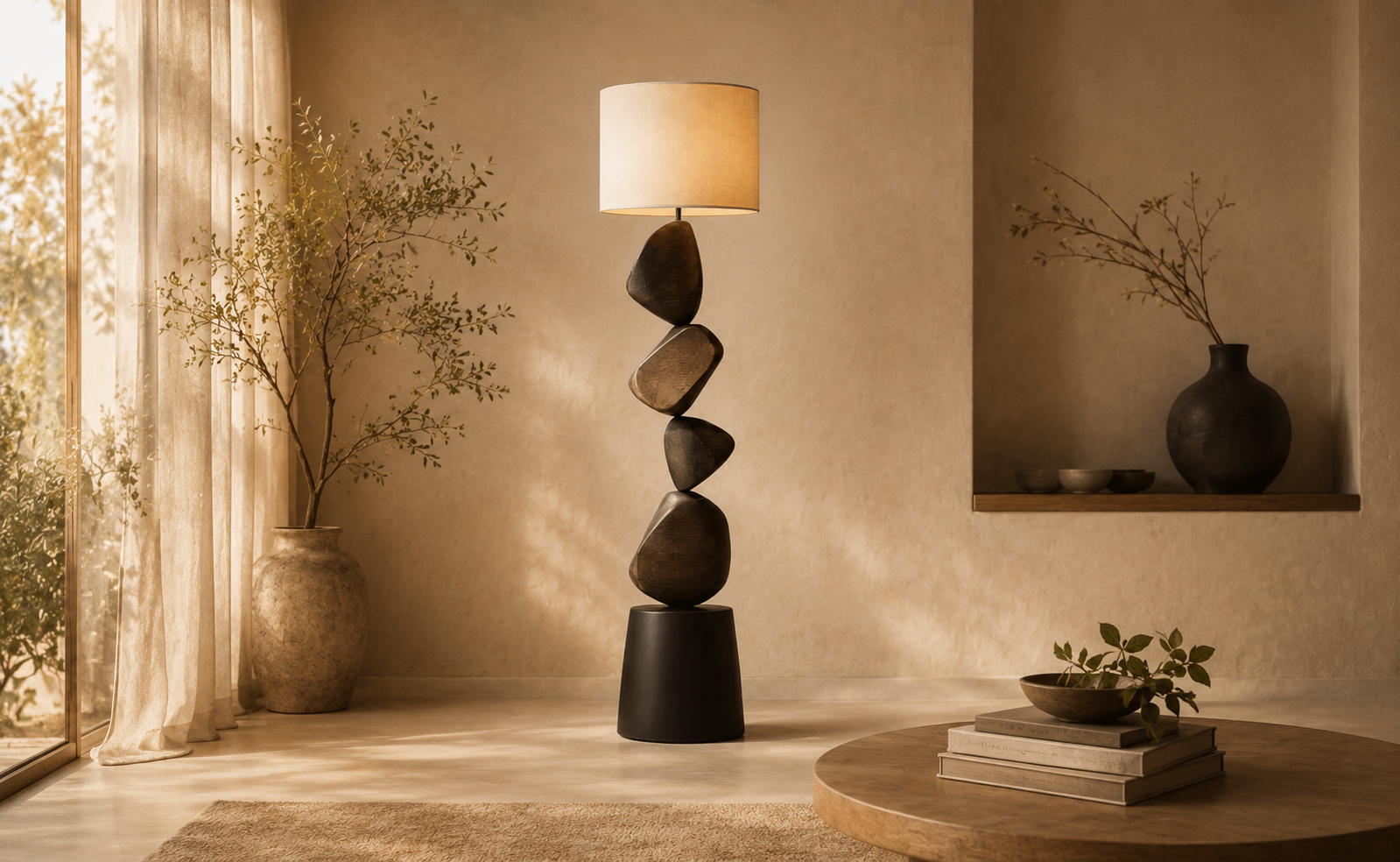

The Soul of Timber: Why Wood Sculptures Stand Out in a World of Cold Materials
In the realm of interior design, ornaments are often called the "jewelry of the home." They define the character of a room and reflect the personality of its inhabitant. While modern manufacturing has given us a plethora of choices—from sleek metals to versatile resins—wooden sculptures remain the undisputed choice for those seeking a connection to nature.
In this guide, we explore how wood stacks up against other popular materials and why its unique characteristics make it a timeless investment for any space.
I. The Material Showdown: Wood vs. The World
Choosing the right material is about more than just aesthetics; it’s about the "vibe" you want to project. Here is how wood compares to other mainstream decor materials:
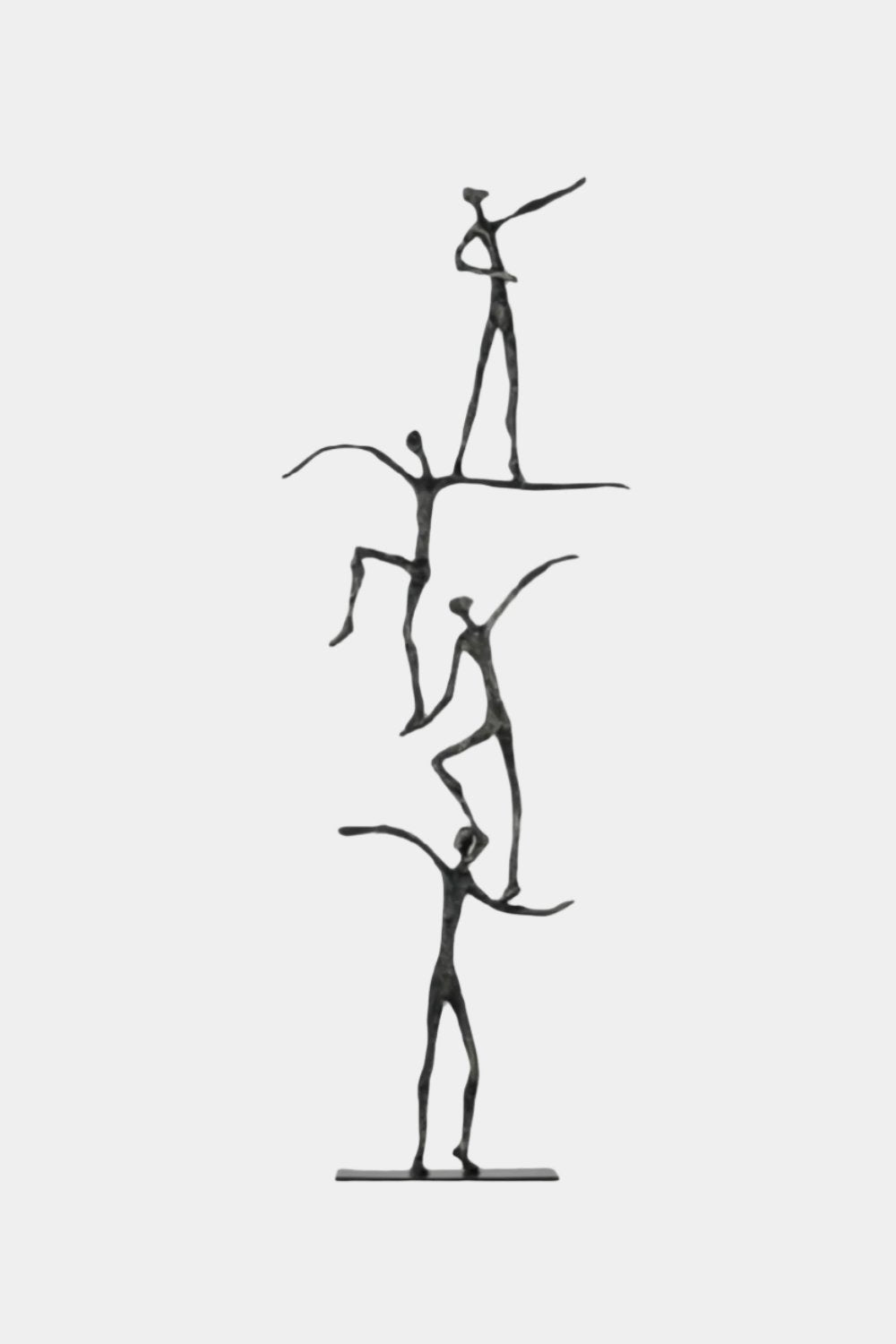
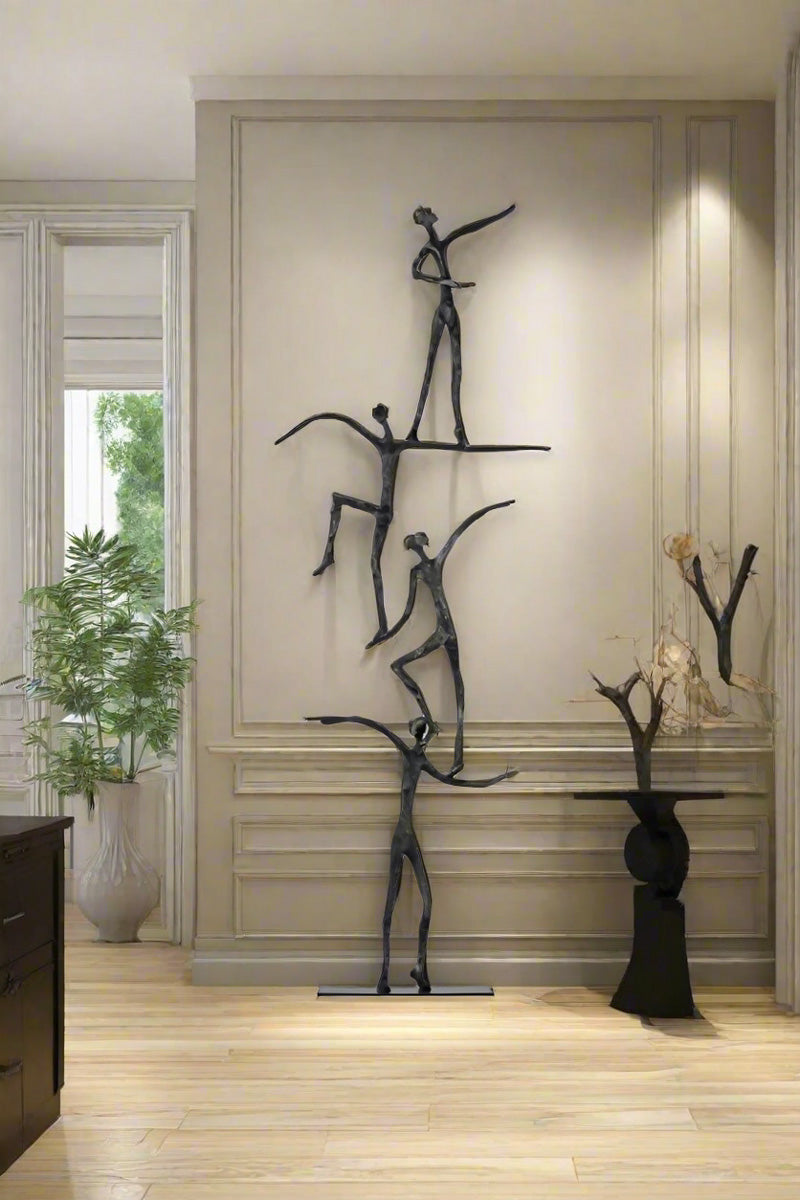
1. Wood vs. Metal
-
The Vibe: Wood radiates warmth and organic energy, softening the harsh lines of modern architecture.
-
The Contrast: Metal feels industrial and sophisticated but can often come across as cold or "sterile" if overused.
2. Wood vs. Ceramic
-
Durability: Wood possesses a natural "toughness." While it can dent, it won't shatter if knocked off a shelf.
-
The Contrast: Ceramics offer exquisite glazes and colors but are notoriously fragile and lack the tactile warmth of timber.
3. Wood vs. Resin
-
Authenticity: Wood is a "living" material with a history. Every piece tells the story of a tree's life.
-
The Contrast: Resin is a synthetic plastic. While it can mimic complex shapes at a lower price point, it lacks the weight, texture, and "soul" of natural grain.
Quick Comparison Table
| Material | Core Strength | Main Weakness | Best Fit For |
| Wood | Warmth, unique grain, ages beautifully | Sensitive to humidity | Scandi, Japandi, Rustic, Mid-century |
| Metal | Sleek, modern, very durable | Can feel cold/impersonal | Industrial, Minimalist, Luxury |
| Ceramic | Vibrant colors, timeless elegance | Extremely fragile | Classic, Mediterranean, Bohemian |
| Resin | Highly detailed, affordable | Lacks premium feel/texture | Pop Art, Eclectic, Budget-friendly |

II. The Magic of Wood: 4 Defining Characteristics
What makes a wooden sculpture more than just a "piece of decor"? It’s the inherent biological properties of the timber itself.

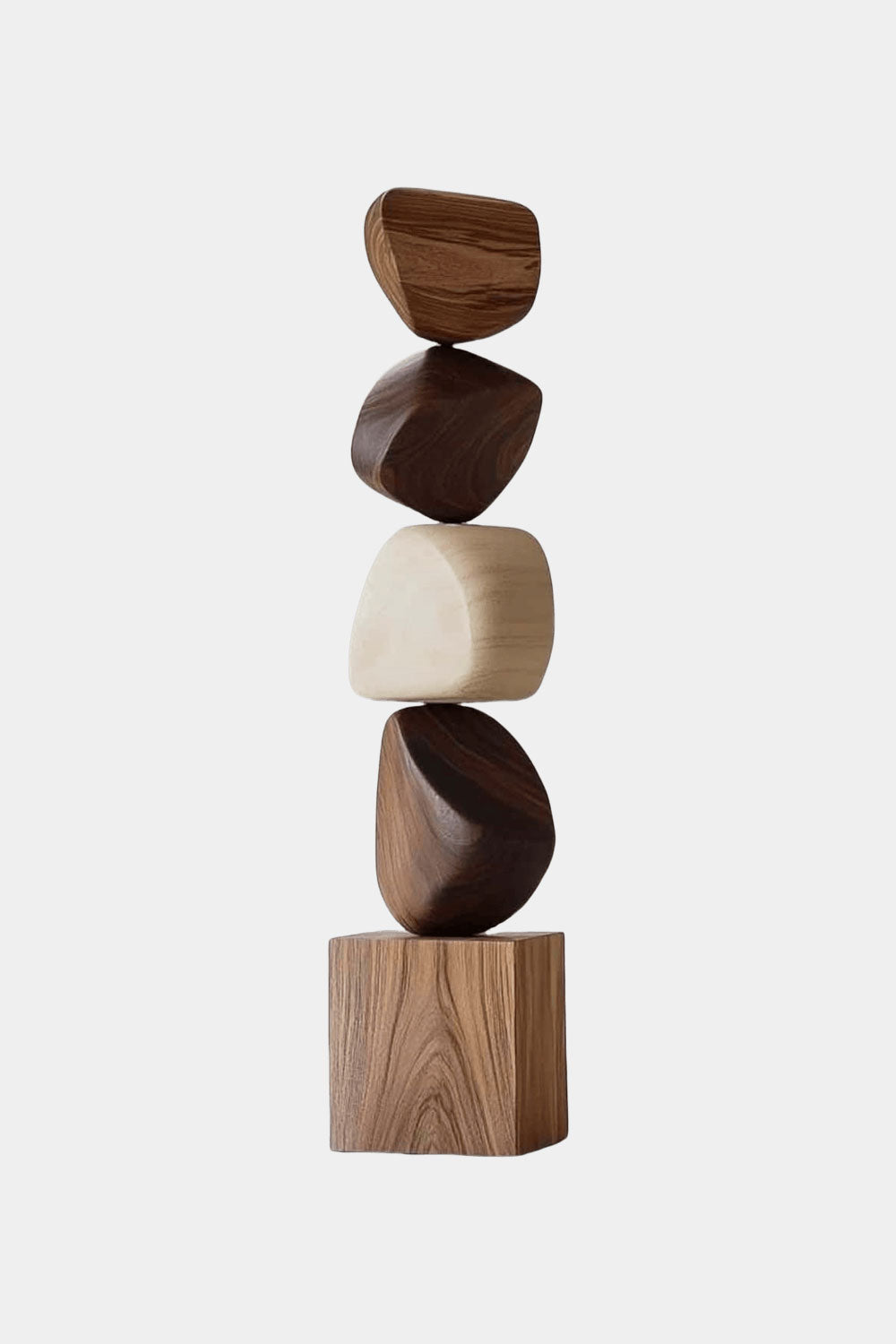
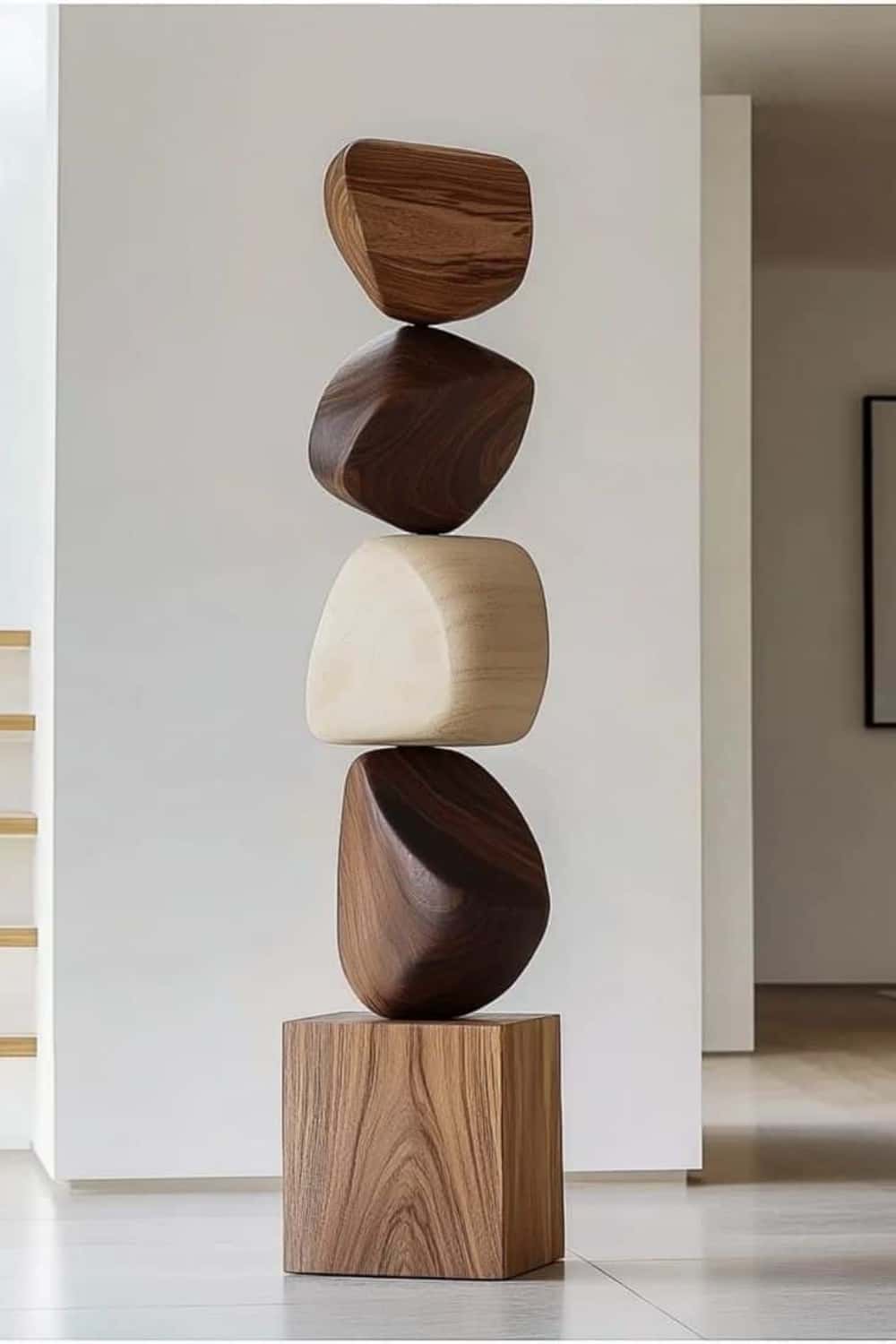
1. Nature’s Fingerprint
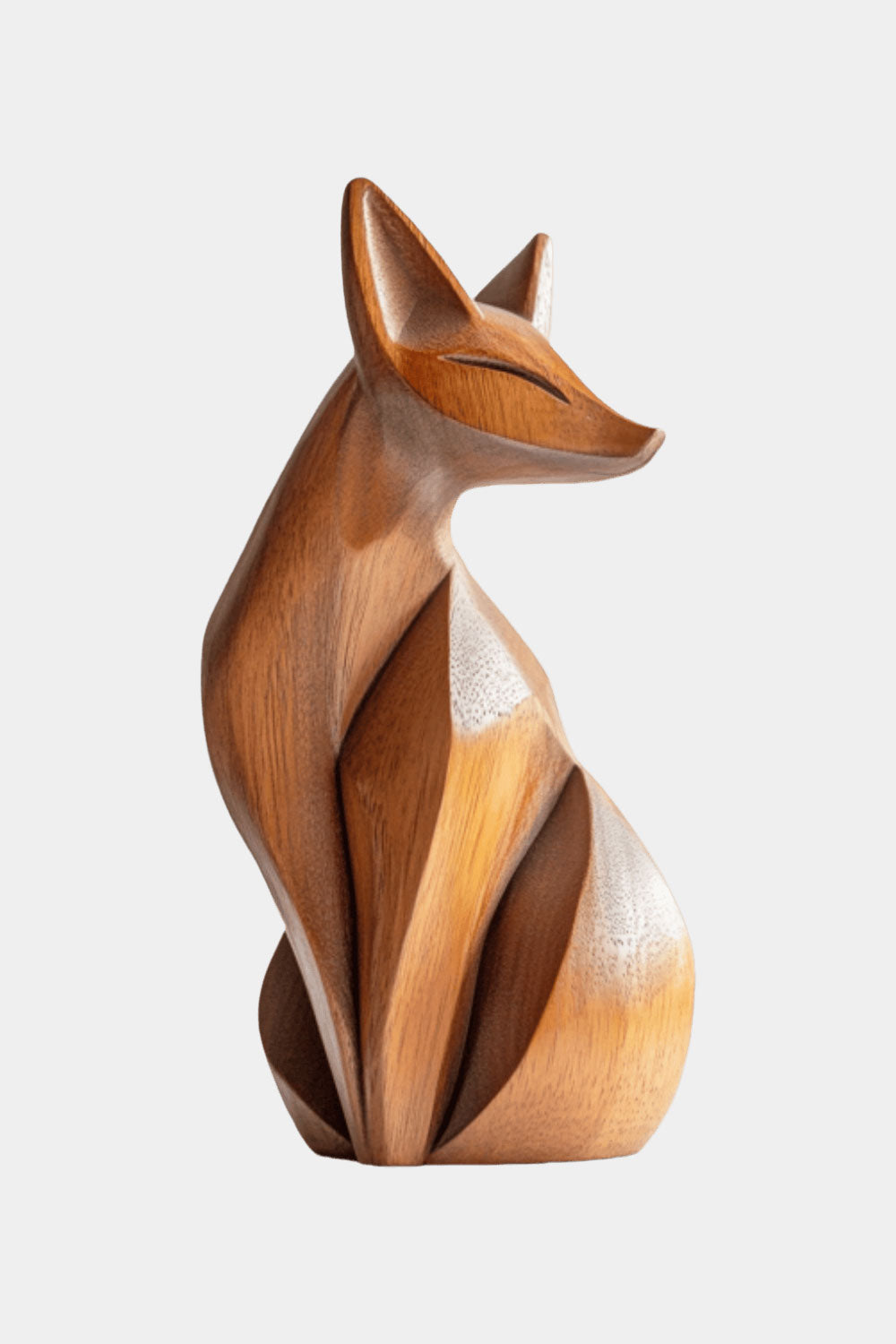
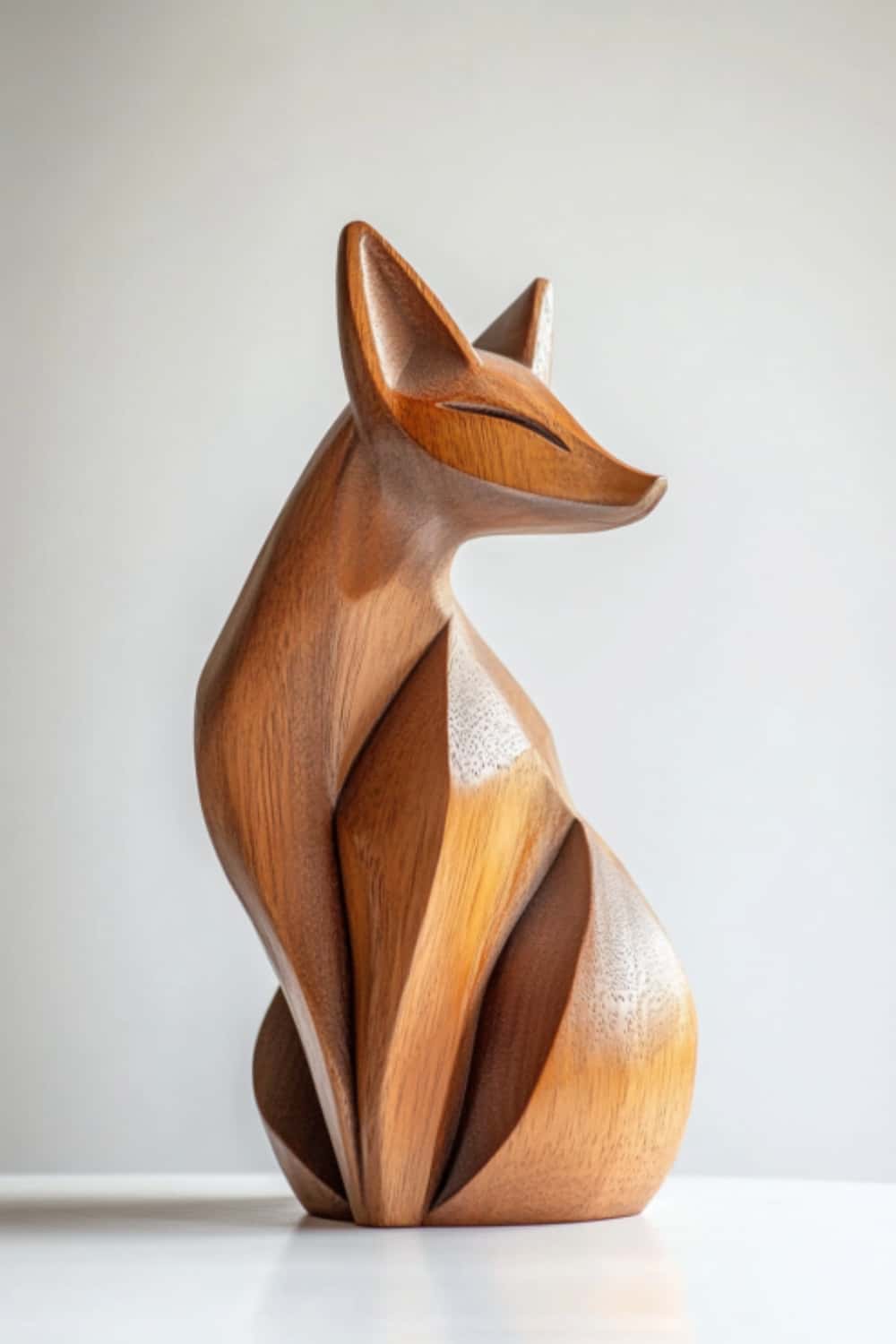
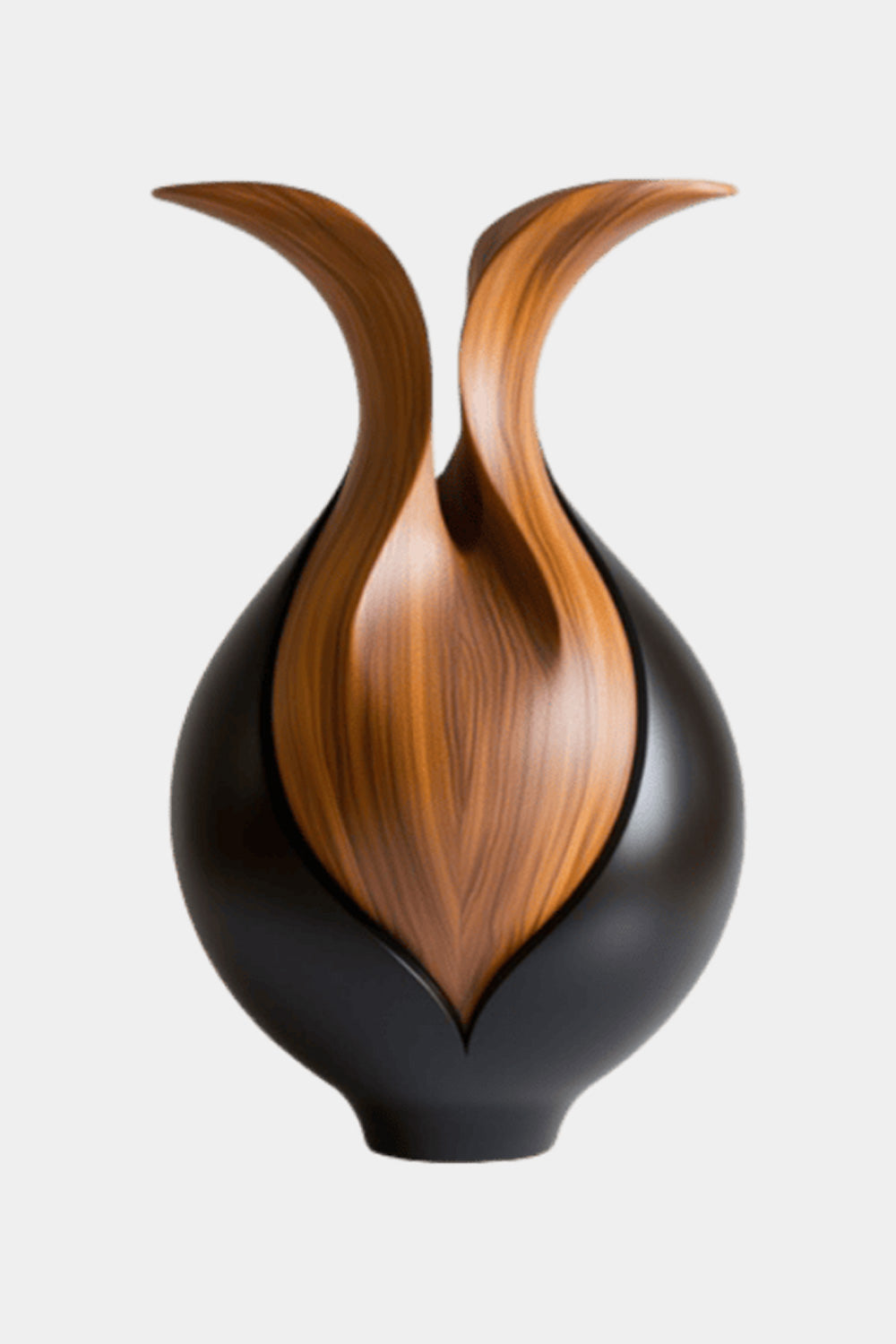
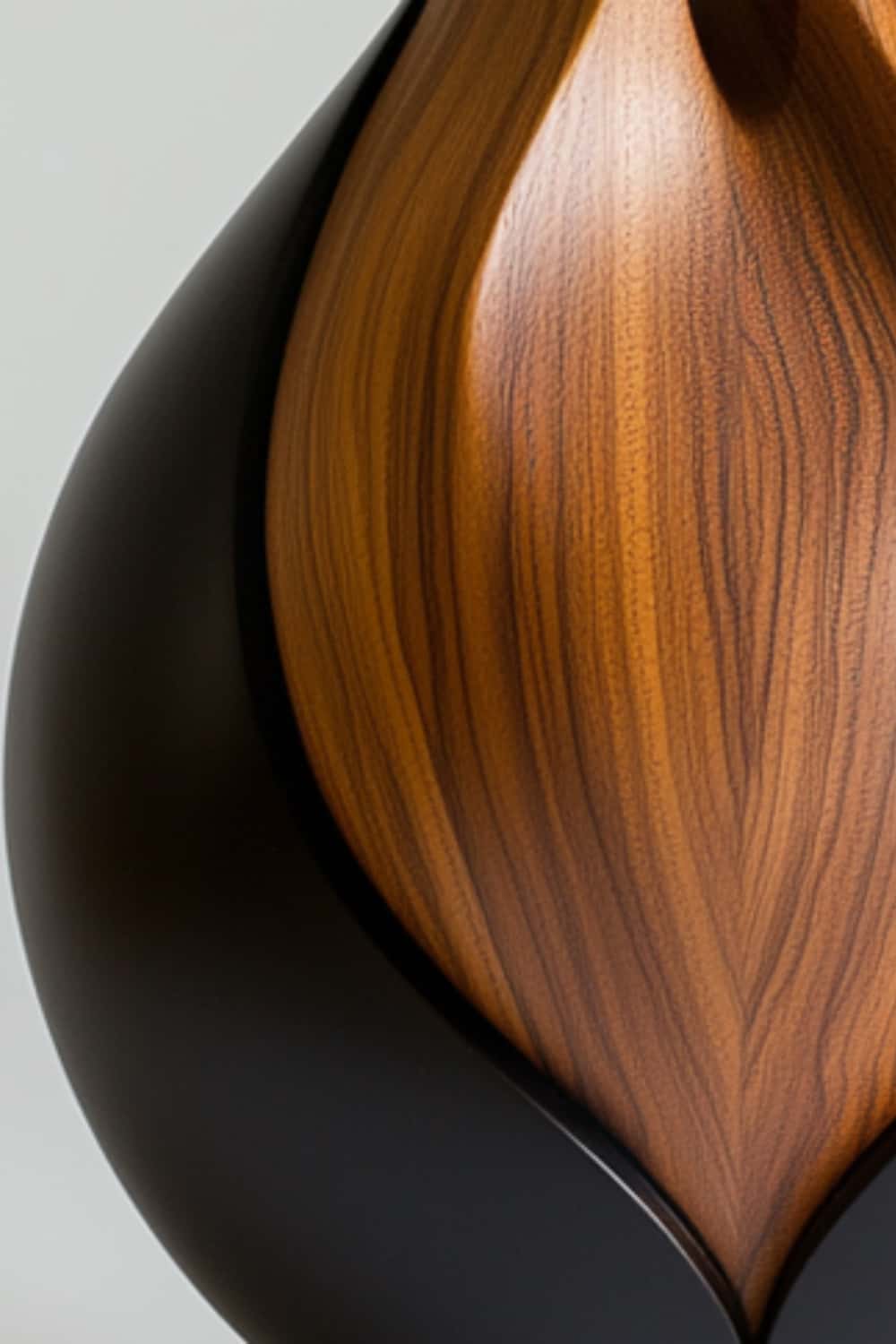
No two wooden sculptures are identical. Between the knots, the growth rings, and the natural color variations, you aren't just buying a product—you are owning a one-of-a-kind natural archive.
2. Visual and Tactile "Temperature"
Wood has low thermal conductivity. Unlike stone or glass, which feel cold to the touch, wood maintains a neutral, inviting temperature. Visually, it breaks the "concrete jungle" feel of modern apartments, providing a psychological sense of calm.
3. The Beauty of the "Patina"
Most materials degrade over time, but wood evolves. Through exposure to air, light, and the oils from human hands, wood develops a "patina"—a rich, lustrous glow that makes the piece look better ten years later than the day you bought it.
4. An Olfactory Experience
Certain woods, such as Sandalwood, Cedar, or Cypress, carry subtle, natural scents. These "forest notes" provide a multi-sensory experience that synthetic materials simply cannot replicate.
III. Pros and Cons: A Balanced View
Expert Insight: Buying a wood sculpture is an act of "slow living." It requires a bit more care, but the emotional return is far higher.
The Pros:
-
Eco-Friendly: A renewable resource that sequesters carbon.
-
Human Touch: Most wood sculptures retain the "mark of the maker," showing artisanal craftsmanship.
-
Versatility: It fits almost any color palette or design style.
The Cons:
-
Environmental Sensitivity: Wood can crack in extremely dry climates or warp in excessive humidity.
-
Maintenance: Occasional dusting and a light coat of beeswax or mineral oil may be needed to keep it hydrated.
IV. Final Thoughts: Which One Should You Choose?
If you are looking for a piece that feels human, grounded, and alive, wood is your best friend.
-
For Beginners: Start with sculptures made of Walnut or Teak. These woods are durable, have gorgeous deep tones, and are relatively easy to maintain.
-
For Collectors: Look for Burl wood or hand-carved pieces that utilize the natural shape of the roots. These are high-value art pieces that often appreciate over time.
A wooden sculpture isn't just a placeholder on a shelf; it’s a piece of the outdoors brought inside to remind us of our roots.
Did you find this comparison helpful?
Tell us in the comments which material you prefer for your home office!


Written by CHENZINIAN